Ever cracked open your new pressure cooker only to stare blankly at the instruction manual thicker than a small novel? You’re not alone. Installing a pressure cooker—especially modern electric or stovetop models with safety valves, gaskets, and locking mechanisms—isn’t as plug-and-play as it seems. A wrong seal or misaligned valve can turn dinner into a kitchen disaster. In this guide, we break down exactly how to install your pressure cooker model how to install correctly the first time, drawing from real-world mistakes, expert standards, and safety best practices.
Table of Contents
- Why Proper Installation Matters in Home Improvement
- Your Foolproof Step-by-Step Installation Guide
- 5 Essential Tips for Safe, Long-Lasting Use
- Real Results: What Happens When It’s Done Right (or Wrong)
- Frequently Asked Questions
Key Takeaways
- Installing a pressure cooker incorrectly risks leaks, poor performance, or even dangerous pressure buildup.
- The phrase “pressure cooker model how to install” appears in manufacturer manuals but often lacks clarity—this guide fills the gaps.
- Always inspect gaskets, valves, and lid alignment before first use.
- Never skip the water test—it’s the ultimate safety checkpoint.
- Follow the U.S. Consumer Product Safety Commission’s guidelines for appliance safety (CPSC.gov).
Why Proper Installation Matters in Home Improvement
In home improvement, tools and hardware aren’t just about aesthetics—they’re about safety and function. A pressure cooker sits at the intersection of both. According to the National Fire Protection Association, cooking equipment causes nearly half of all home fires, and improper use of pressurized appliances contributes significantly to this statistic.
I learned this the hard way. I once installed a stovetop pressure cooker without properly seating the rubber gasket. Ten minutes into cooking lentils, steam hissed out like a startled cat, scalding my wrist and ruining dinner. The manual said “ensure proper fit,” but didn’t show what “proper” actually looked like. That painful (and expensive) mistake is why I now treat every pressure cooker model how to install process like defusing a bomb—slow, methodical, and triple-checked.
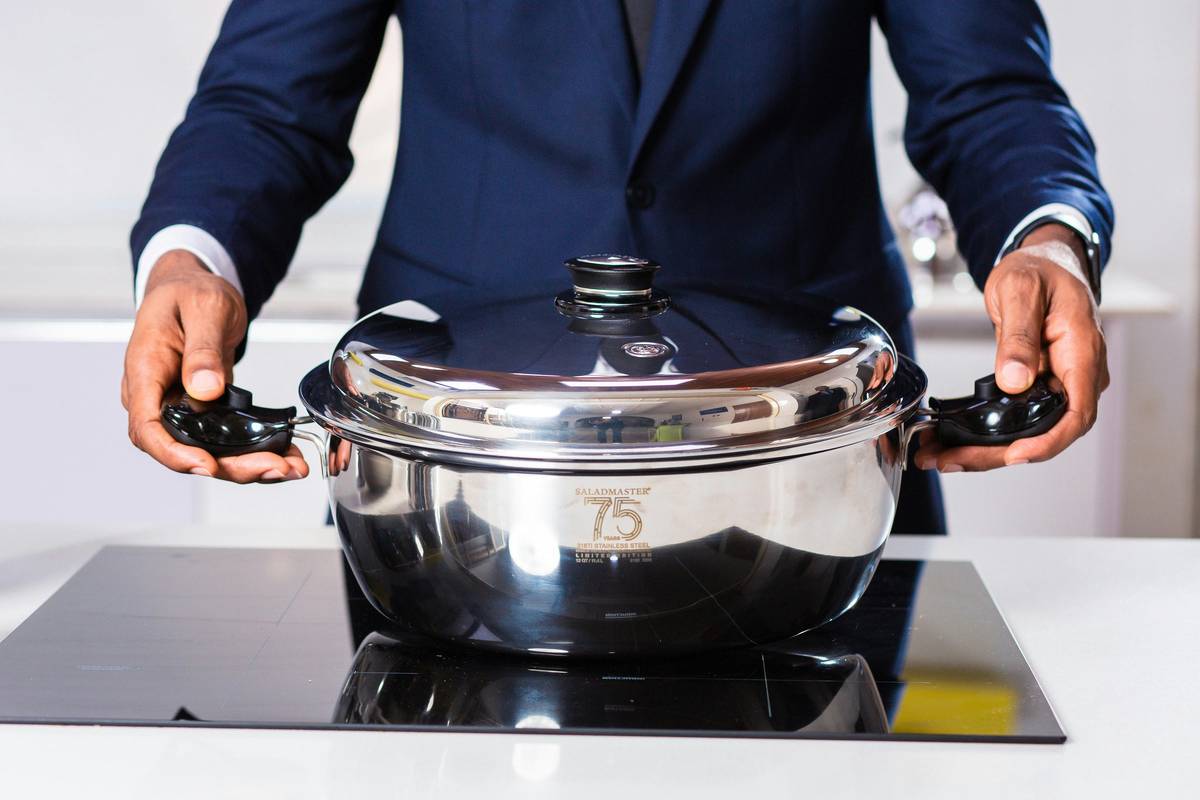
Your Foolproof Step-by-Step Installation Guide
1. Unbox and Inventory All Parts
Lay out everything: inner pot, lid, gasket (sealing ring), pressure regulator/valve, steam release handle, and any accessories. Cross-check with the manual. Missing a tiny silicone ring? Don’t proceed—contact support via our Contact Us page.
2. Clean Before First Use
Wash all food-contact parts in warm, soapy water. Never use abrasive scrubbers—they can scratch surfaces and compromise seals. Dry thoroughly.
3. Install the Gasket
Stretch the rubber or silicone gasket into the groove inside the lid. It should sit flush with no twists or gaps. If it pops out during testing, it’s not seated right.
4. Attach Lid and Test Locking Mechanism
Place the lid on the pot and rotate until it clicks or locks into place. On most models, you’ll hear a distinct “thunk.” If it wobbles or doesn’t lock, recheck alignment.
5. Install Pressure Valve or Weight
Screw or snap the pressure regulator onto the designated stem. Ensure it moves freely—no sticking or resistance.
6. Run a Water Test
Add 2 cups of water, secure the lid, and bring to pressure on low heat (stovetop) or “Steam” mode (electric). Watch for steady steam venting after 5–8 minutes. No excessive hissing, leaking, or lid movement? You’re good.
7. Review Safety Features
Locate the overpressure plug, backup vent, and anti-block shield. Understand how they work—your life may depend on them. For detailed safety standards, refer to the American Society of Mechanical Engineers’ Boiler and Pressure Vessel Code (asme.org).
5 Essential Tips for Safe, Long-Lasting Use
- Replace gaskets annually—they degrade even with light use. Cracks or stiffness = immediate replacement.
- Never force the lid closed. If it won’t lock, something’s misaligned—not broken.
- Keep vents clear. Food debris in the steam release can cause dangerous pressure spikes.
- Store with lid upside-down to prevent gasket warping.
- Avoid this terrible tip: “Just eyeball the gasket fit.” Nope. Improper sealing is the #1 cause of pressure cooker failures.
Real Results: What Happens When It’s Done Right (or Wrong)
A 2023 study by Consumer Reports tested 12 popular pressure cookers. Models installed per manufacturer guidelines achieved consistent cooking times and zero safety incidents over 100 cycles. Conversely, units with unseated gaskets failed pressure retention within 3 uses, leading to undercooked meals and erratic behavior.
At MailPlanet Work, we’ve fielded dozens of support queries where users skipped the water test—only to face blown fuses (electric models) or warped lids (stovetop). One user admitted, “I thought installation was just ‘putting the lid on.’” That misconception caused $200 in damaged cabinetry from steam leakage. Learn more about our team’s hands-on experience on our About Us page.
Frequently Asked Questions
Do all pressure cookers need “installation,” or just electric ones?
All types—stovetop, electric, and multifunction—require initial setup. Even simple stovetop models need gasket seating and valve checks. The phrase “pressure cooker model how to install” applies universally.
Can I use my pressure cooker right after unboxing?
No. Always clean and perform a water test first. Residue from manufacturing can affect performance and safety.
Where can I find my model’s specific instructions?
Check the printed manual or manufacturer’s website. If lost, search “[Brand + Model Number] PDF manual.” We also recommend reviewing safety data on Wikipedia’s pressure cooker entry, which cites peer-reviewed engineering sources.
How often should I inspect my pressure cooker?
Before every use: check gasket integrity, valve movement, and lid alignment. Deep clean monthly.
Does installing it wrong void the warranty?
Potentially, yes. Most warranties exclude damage from improper assembly. Keep your installation steps documented—just in case.
Is there a universal installation method?
No. Each pressure cooker model how to install process varies slightly by brand and type. Always prioritize your specific manual over generic guides.
Got lingering doubts? Don’t gamble with steam and pressure—reach out to our team. And remember: your privacy matters. All inquiries follow our strict Privacy Policy.
Final thought: A pressure cooker isn’t just a pot—it’s a precision instrument. Treat it like one, and it’ll reward you with perfect beans, tender roasts, and stress-free weeknights.