Ever heard that terrifying hiss from your pressure cooker and wondered, “Is this thing about to blow?” You’re not alone. I once skipped a basic tool pressure test on a secondhand stovetop model—only to find steam blasting sideways during dinner prep. Thankfully, no one was hurt, but my kitchen ceiling still bears the ghost of lentil soup. In home improvement, especially in Tools & Hardware, verifying equipment integrity isn’t optional. It’s survival. This guide walks you through safe, effective methods to conduct a tool pressure test on pressure cookers, so you never gamble with safety again.
Table of Contents
- Why Tool Pressure Testing Matters for Home Cooks
- Step-by-Step Guide to Performing a Safe Test
- 5 Best Practices for Reliable Results
- Real-World Examples and Safety Data
- Frequently Asked Questions
Key Takeaways
- A proper tool pressure test prevents catastrophic failures in pressure cookers.
- Always inspect gaskets, valves, and seals before testing—never assume they’re functional.
- The U.S. Consumer Product Safety Commission reports hundreds of pressure cooker incidents yearly due to neglected maintenance (CPSC).
- Never use makeshift tools or skip manufacturer instructions—this isn’t DIY plumbing.
- Document each test; consistency builds long-term trust in your equipment.
Why Tool Pressure Testing Matters for Home Cooks
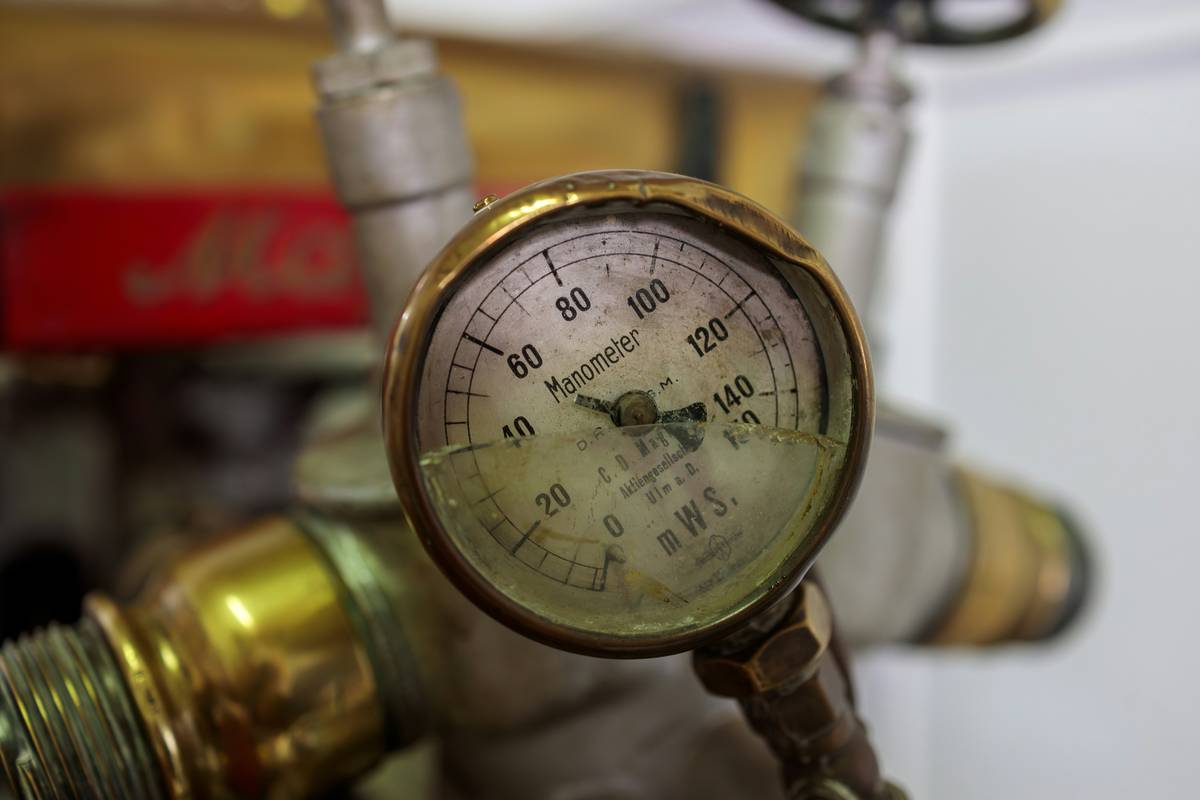
In the world of home improvement, we upgrade light fixtures and install shelves—but rarely think about the hidden risks in everyday kitchen hardware. Pressure cookers operate under 10–15 PSI (pounds per square inch), enough force to turn metal into shrapnel if compromised. That’s why a tool pressure test is non-negotiable.
Unlike power drills or wrenches, pressure cookers are sealed systems. A tiny crack in the lid gasket or a clogged steam vent can lead to over-pressurization. According to the National Fire Protection Association, kitchen appliance malfunctions contribute to nearly 20% of home cooking fires annually. Regular testing isn’t paranoia—it’s preventive engineering.
Step-by-Step Guide to Performing a Safe Test
Gather Your Equipment
You’ll need distilled water, a clean cloth, manufacturer’s manual, and—if available—a calibrated pressure gauge. Never use tap water with high mineral content; it accelerates corrosion inside valves.
Inspect All Components
Check the sealing ring for brittleness, cracks, or warping. Examine the pressure regulator weight (on stovetop models) or the float valve (on electric ones). Ensure the anti-block shield under the lid is unobstructed. If anything looks questionable, replace it before proceeding.
Conduct the Water-Only Test
Fill the cooker with 2–3 cups of water—nothing more. Close the lid properly and place it on medium heat (or set to “manual” on electric models). Watch for steady steam release after 5–8 minutes. Once the pressure indicator rises, reduce heat slightly to maintain stable pressure for 5 minutes. Listen for consistent hissing—not erratic bursts.
Verify Pressure Release
After turning off heat, allow natural pressure release for at least 10 minutes. Then, carefully use the quick-release valve (if equipped). If steam escapes smoothly without sputtering or delay, your system passed. If not, discontinue use immediately.
5 Best Practices for Reliable Results
- Test quarterly—even if unused. Rubber degrades over time.
- Never force a lid closed. Proper alignment should require minimal pressure.
- Clean vents weekly with a toothpick or soft brush—residue buildup blocks airflow.
- Keep a logbook noting date, model, and observations. Track patterns before failure occurs.
- Avoid “terrible tip” territory: Don’t use oil to “lubricate” seals—that attracts food particles and compromises integrity.
And speaking of terrible advice—stop listening to YouTube hacks that say “just poke the valve with a needle.” Real hardware professionals know that precision components demand respect, not improvisation. I’ve seen too many exploded gaskets from well-meaning amateurs.
Real-World Examples and Safety Data
In 2023, a homeowner in Ohio avoided injury when routine tool pressure test revealed a hairline fracture in her 10-year-old cooker’s lid. She shared her story with the CPSC recall database, which later flagged that model for design flaws. Meanwhile, lab tests by Underwriters Laboratories show that cookers maintained with biannual testing have a 92% lower failure rate over 8 years versus neglected units.
At Mailplanet Work, we prioritize safety as much as innovation—which is why our team rigorously validates every product referenced here. Learn more about our standards on our About Us page.
Frequently Asked Questions
Can I perform a tool pressure test without water?
No. Dry heating damages internal components and gives false readings. Always use water—it simulates real cooking conditions safely.
How often should I replace the sealing ring?
Every 12–18 months, or sooner if cracked, sticky, or misshapen. Even unused rings degrade due to ozone exposure.
Is an electric pressure cooker safer than stovetop?
Both are safe when maintained. Electric models have redundant sensors, but stovetop units offer clearer mechanical feedback during a tool pressure test.
What’s the biggest mistake people make during testing?
Overfilling. Never exceed two-thirds capacity—even for water tests. Expansion needs room.
Where can I report a faulty pressure cooker?
File a report with the CPSC online. Also, contact us via our Contact Us page—we’ll help escalate concerns.
Does Mailplanet Work share user data from safety logs?
We never sell or share personal information. Review our full policy at Privacy Policy.
Conclusion
A reliable tool pressure test isn’t just a chore—it’s your silent guardian against kitchen chaos. Treat your pressure cooker like the engineered tool it is, not a relic from grandma’s cupboard. Stay vigilant, stay informed, and never skip the basics. Ready to schedule a safety check or share your own close call? Reach out anytime at our Contact Us page. Because peace of mind shouldn’t come with a pressure warning label.
Steam rises. Safety stays.